
Installation of the ventilation system on the roof is an important stage for ensuring comfortable conditions
27 december 2024
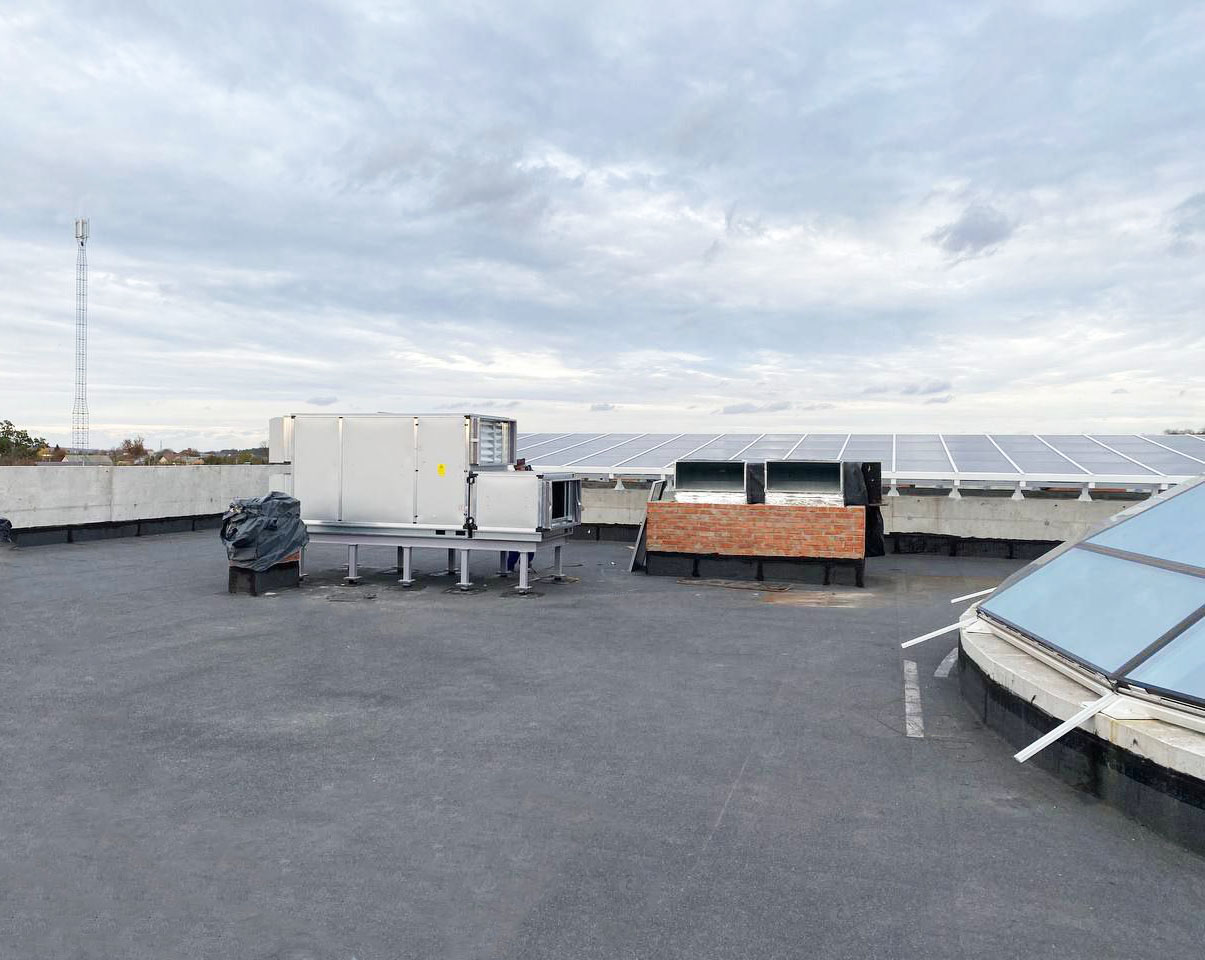
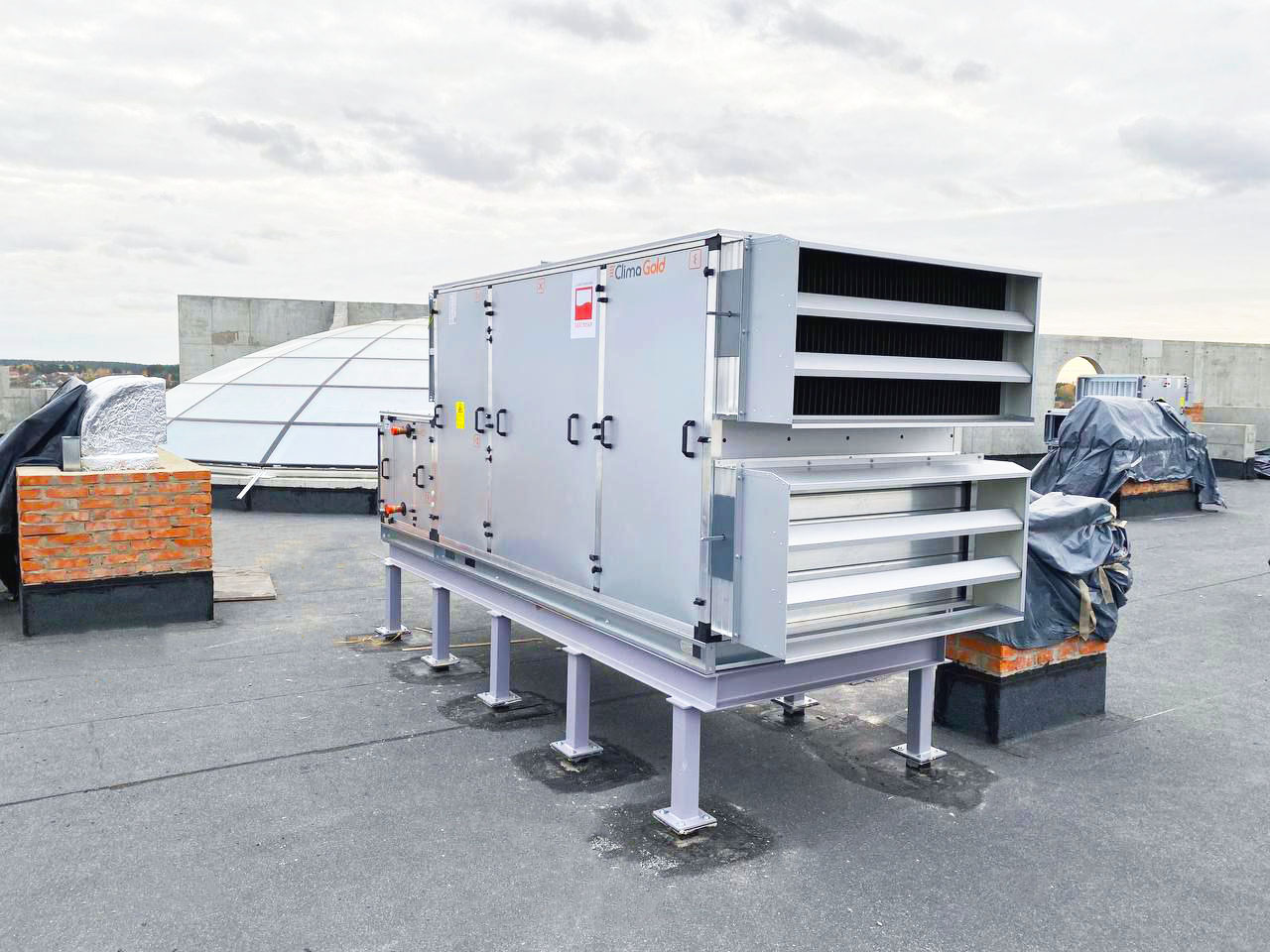
We completed an important part of our project — the installation of ventilation units on the roof! Ventilation on the roof is an ideal solution for facilities when it is necessary to ensure effective air exchange without occupying the useful area of the premises.
What are the advantages of installing ventilation on the roof?
Installing ventilation equipment on the roof frees up useful space inside the room for other equipment, production processes or office space.
The equipment placed on the roof reduces the acoustic load on the premises, since the noise is isolated by external structures.
Ventilation systems on the roof provide direct access to outside air, which increases the efficiency of the equipment.
Installations placed on the roof are less visible than those installed on the facade or indoors. This preserves the appearance of the building.
In industrial ventilation systems, placement on the roof reduces the risk of contaminated air entering work areas.
Access to ventilation equipment on the roof is usually easier than in cases where it is integrated into internal structures.
Our approach to installing a ventilation unit on the roof:
Since the ventilation is installed on the roof, we take into account all technical requirements regarding the installation location and access to the equipment. Namely:
1. Professional analysis and design
- Carrying out a detailed survey of the roof to determine the optimal location of the equipment.
- Development of a project that takes into account the specifics of the building, the load on the structure and the requirements of the ventilation system.
2. Use of quality materials
- All elements of the system are made of materials resistant to the effects of weather conditions, corrosion and mechanical loads, and also have appropriate quality certificates.
3. Safety and compliance
- Installation is carried out in accordance with building regulations, safety standards and environmental requirements.
- Providing protection against leaks and vibrations that can affect the roof.